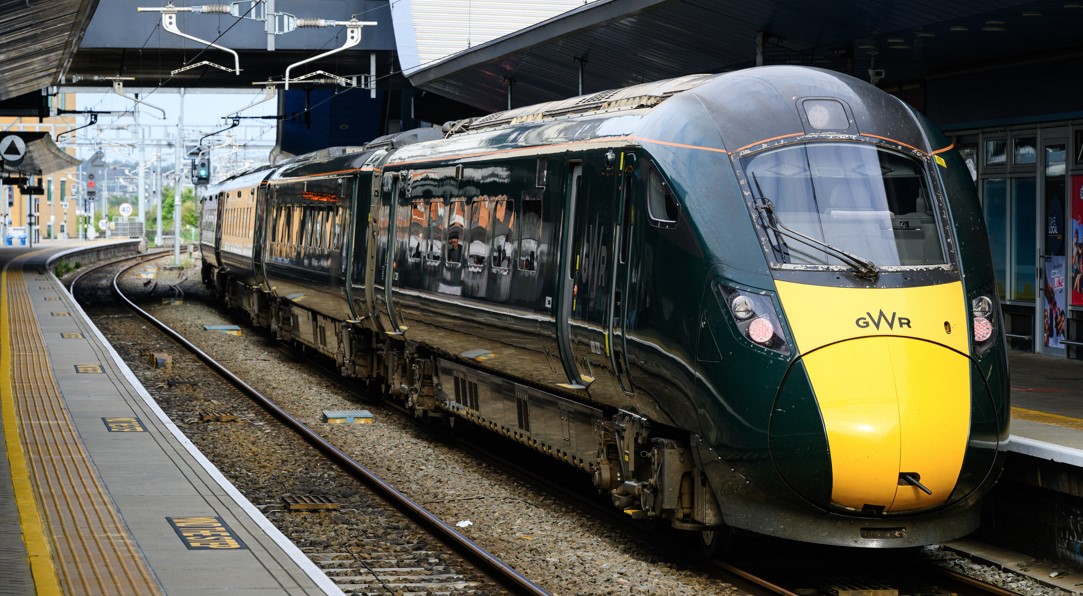
Britain is entering an important period for its railways. After several years of reviews and proposals, the government has introduced the Railways Bill on the 5th of November 2025 and confirmed the creation of Great British Railways (GBR). The reform is presented as a fundamental reset that will place a single public body at the centre of the system, responsible for both infrastructure and most passenger services. The aim is to replace existing fragmented structure with a more unified network that can deliver more consistently for passengers, freight customers and taxpayers.
Under the Bill, GBR will become the main guiding mind for rail. It will plan and operate the network, manage stations and depots, decide which other operators can use its infrastructure, and oversee ticketing and revenue for the services it controls. For the first time since privatisation, one organisation will be able to take integrated decisions that link timetables, assets, income and customer experience. A Long-Term Rail Strategy (LTRS), looking thirty years ahead, will provide the framework within which GBR sets its business plans and investment choices and is intended to create a more stable environment for funding and planning.
The new model is also designed to work with devolution rather than against it. In Scotland and Wales, ministers will continue to set rail strategies and funding envelopes and will work with GBR business units that focus on their networks. Within England, regional and city authorities are expected to have stronger routes to influence service patterns and investment priorities, particularly where rail supports economic development and regeneration. At the same time, there will be tighter oversight at national level. The Office of Rail and Road (ORR) will continue to oversee rail safety and track performance but will have a greater influence on decisions about network access and how much companies are charged for using the tracks, while a strengthened passenger watchdog will act as a champion for railway passengers by setting consumer standards, investigating poor service, and providing an independent ombudsman service to resolve disputes. It will hold both Great British Railways (GBR) and other operators accountable for meeting these standards.
The Railways Bill sits alongside a wider move towards public ownership. Since late 2024, franchised passenger services have been transferring into public control as contracts expire. A growing share of major train operators is now run by the government, with the ambition that most passenger services will be publicly owned by 2027. This represents a shift in where risk sits, with the state carrying more of the financial and operational responsibility for day-to-day performance.
Experience on state run routes so far has been mixed. Some have seen improvements in punctuality and reliability, while others have required increased subsidy despite strong passenger numbers. This has prompted debate about what really drives performance. Many of the pressures facing the railway are structural: long term rolling stock and infrastructure contracts, skills constraints, an ageing asset base and travel patterns that changed sharply during and after the pandemic. In that context, the Railways Bill is best viewed as creating the conditions for improvement, rather than as a simple answer in its own right.
Developments also need to be seen alongside decisions on major projects, in particular the cancellation of the northern leg of HS2. Funding has been reallocated to the Network North programme, which brings together schemes to upgrade existing routes, improve journey times and strengthen links in the North and Midlands. GBR will have to plan within this new landscape. It will need to take a long view of capacity, electrification and digital signalling and to support growth in rail freight and progress on decarbonisation without the unifying spine that a full north south high-speed line would have provided.
For the wider rail industry, the reforms amount to a reset of responsibilities and incentives. Infrastructure, franchised services and ticketing will sit under one public body that is accountable to ministers and Parliament for performance and value for money. Private operators will continue to play a role through concessions, open access services and the broader supply chain, but within a clearer national framework. Success is likely to be judged on whether passengers experience a more reliable and predictable service, whether the industry makes better use of its assets and whether investment decisions support wider economic and environmental objectives.
From an operational perspective, we at Managementors see this as a significant opportunity but also a challenge. The Bill creates a more coherent structure, but outcomes will still depend on what happens in timetabling, control, maintenance planning, resource deployment and station management. Culture, data and day to day management practice will determine whether GBR can turn its new mandate into visible improvements on the ground. The Railways Bill therefore marks the start of a new chapter rather than the conclusion of reform. The test over the next few years will be whether this change can be translated into better journeys for people and goods across the network.
If you would like to know more about our work in the transport and rail sector, our team is here to help.